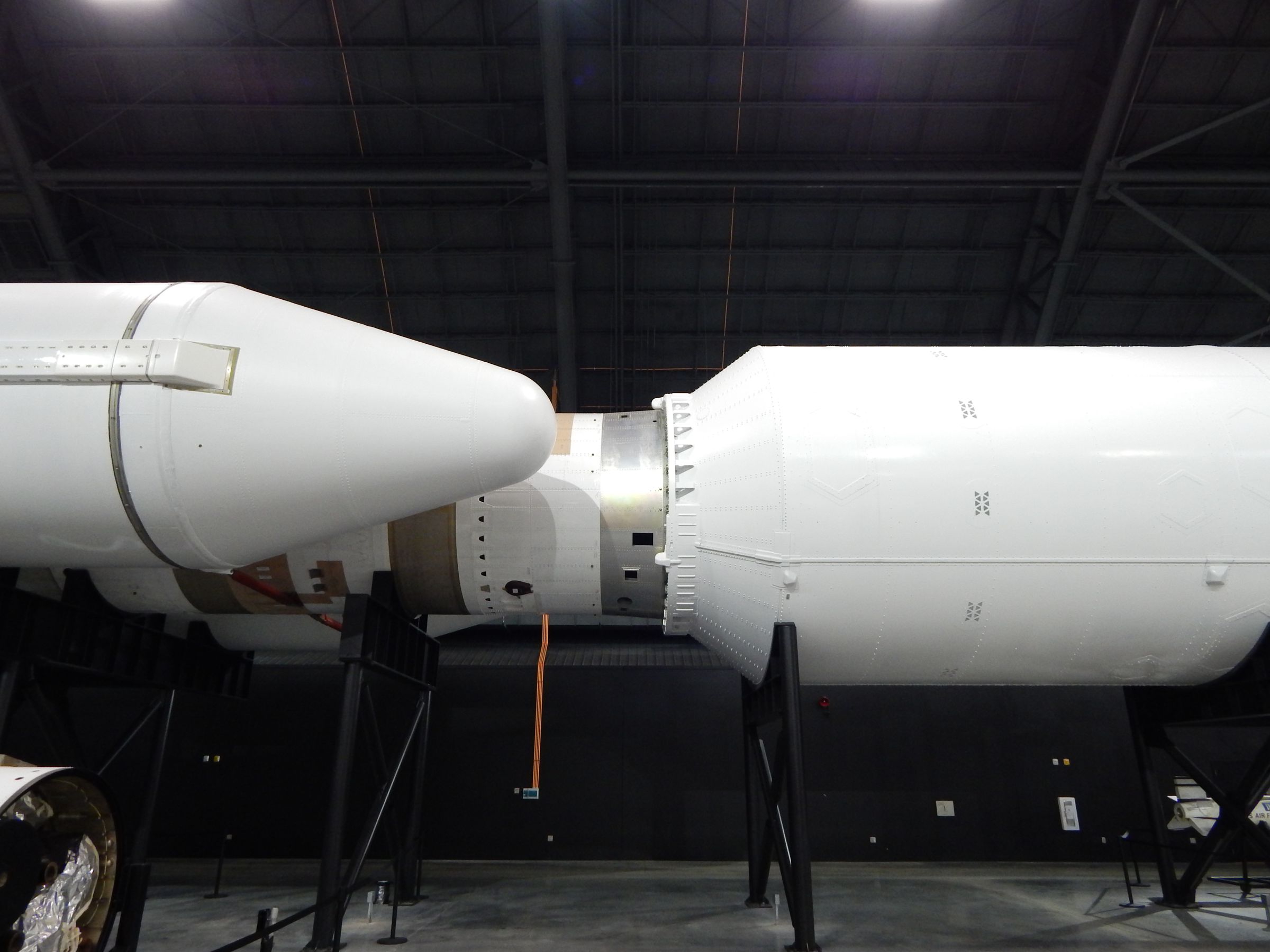
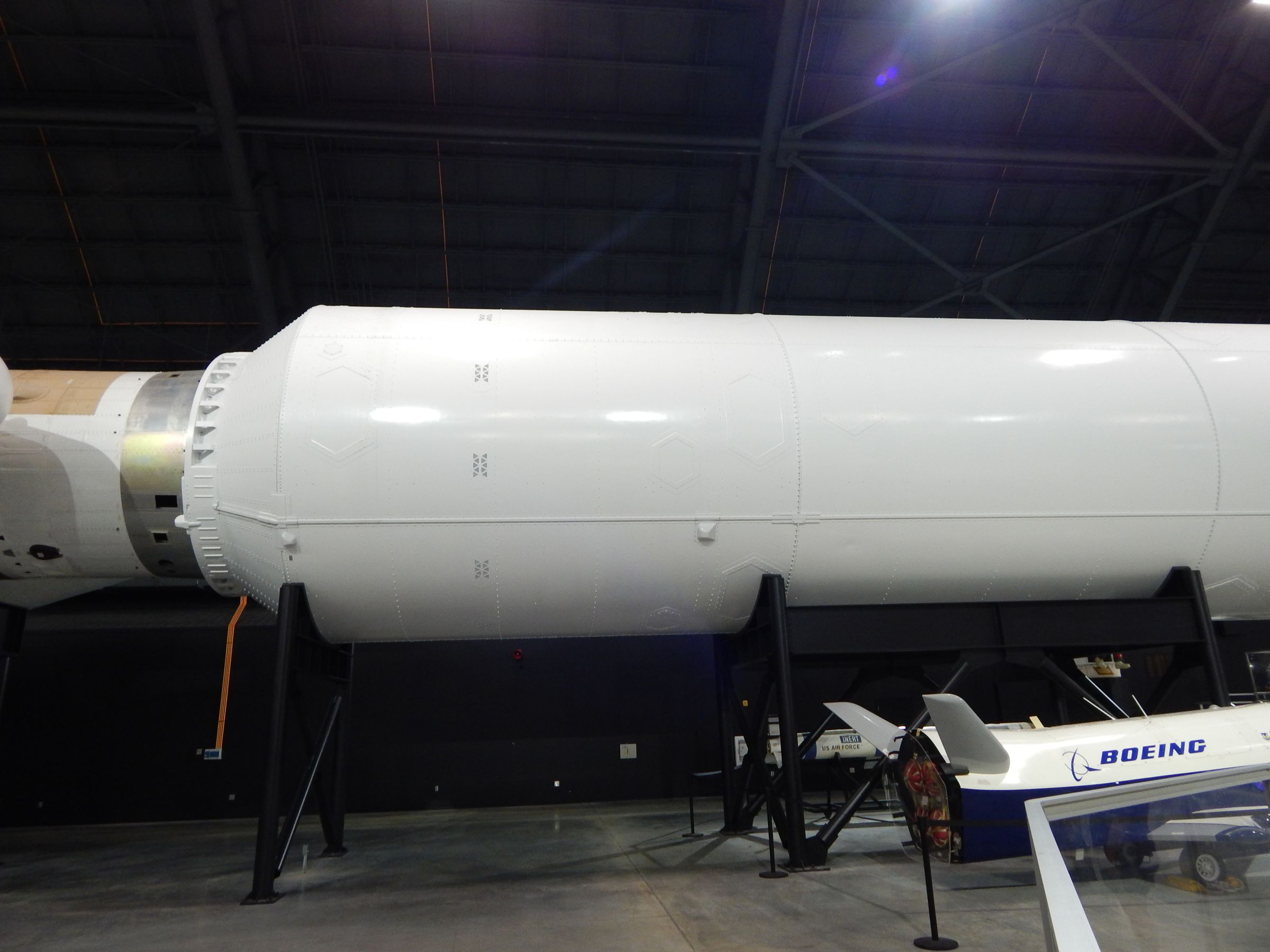
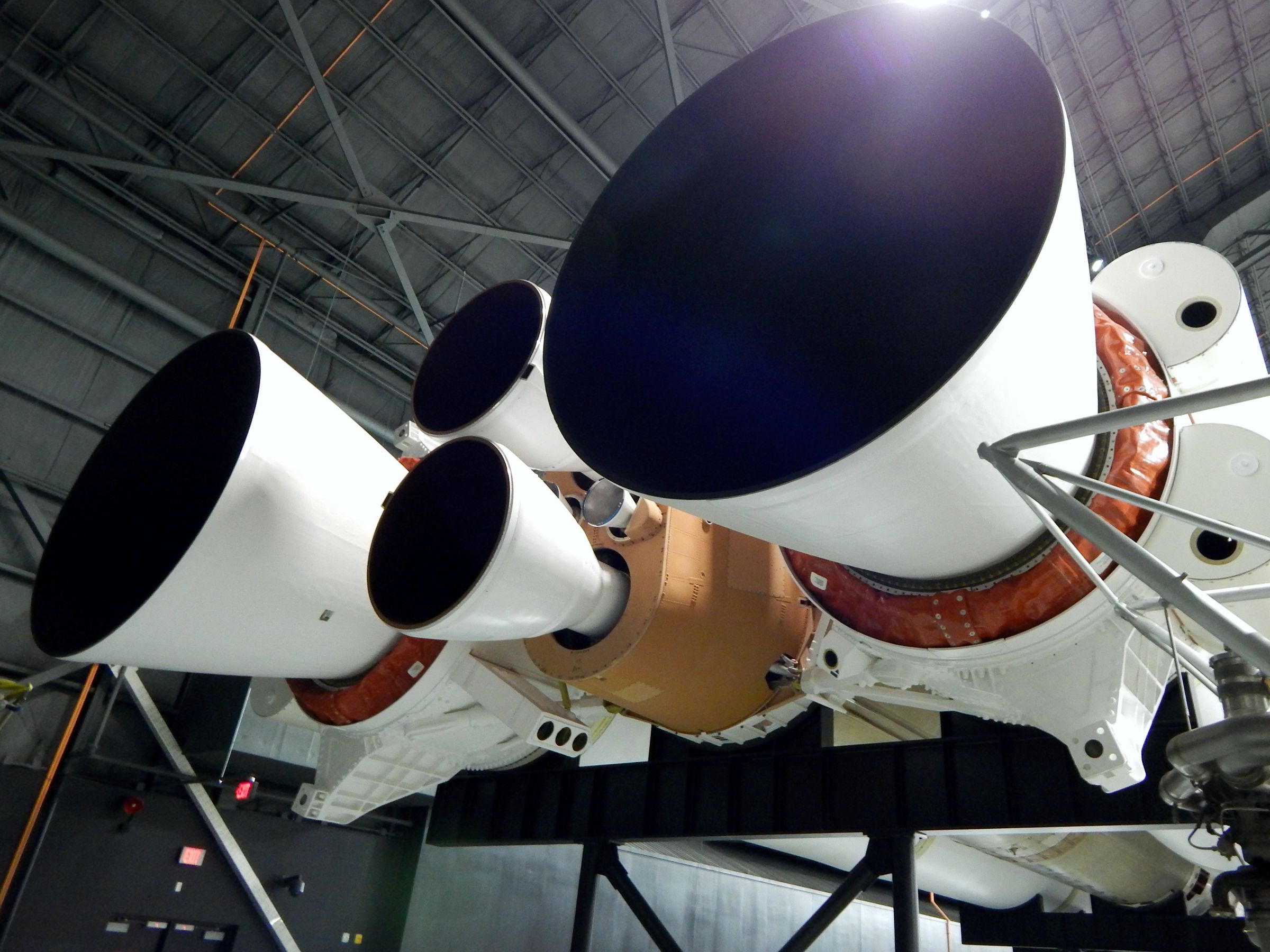
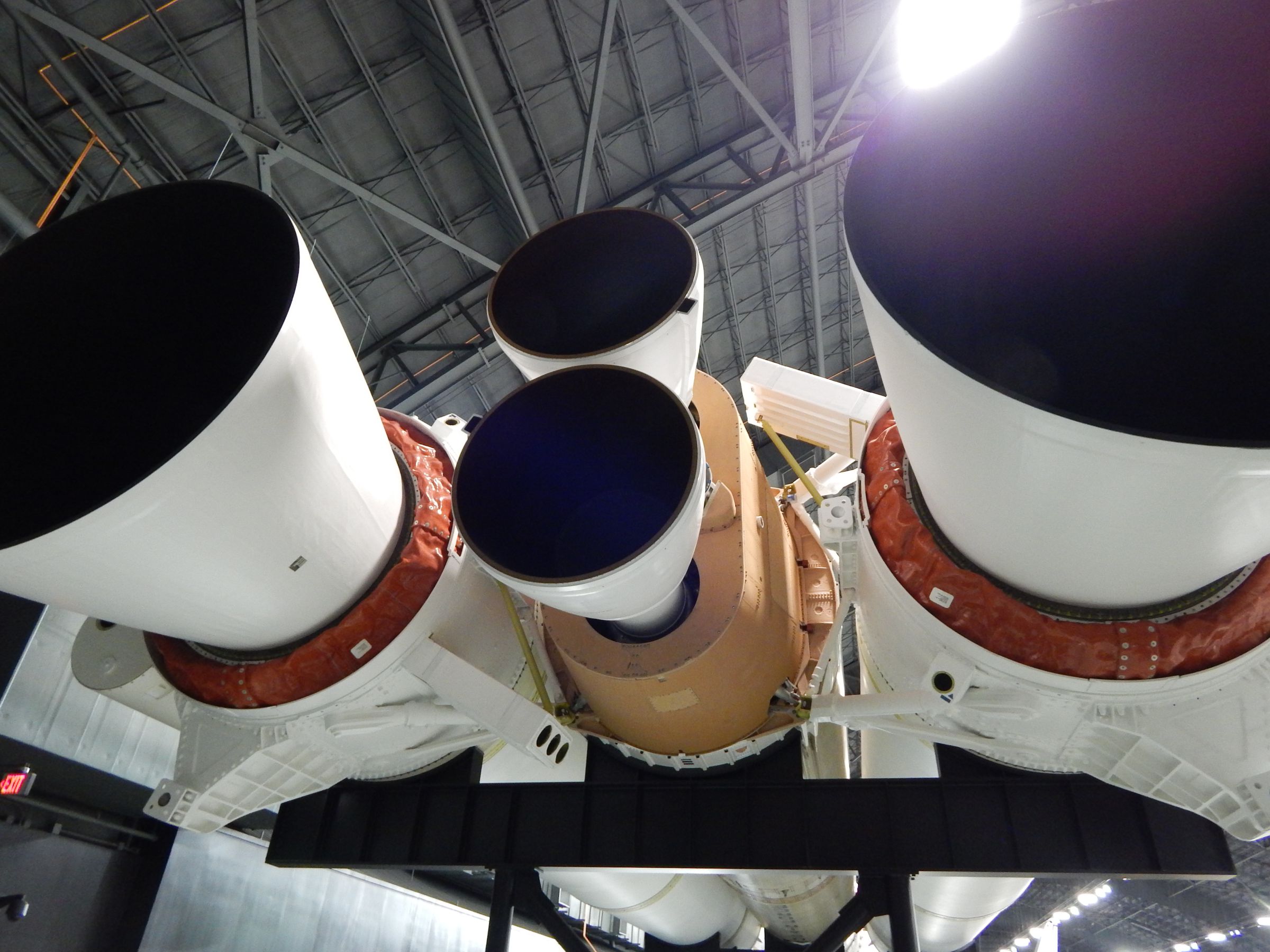
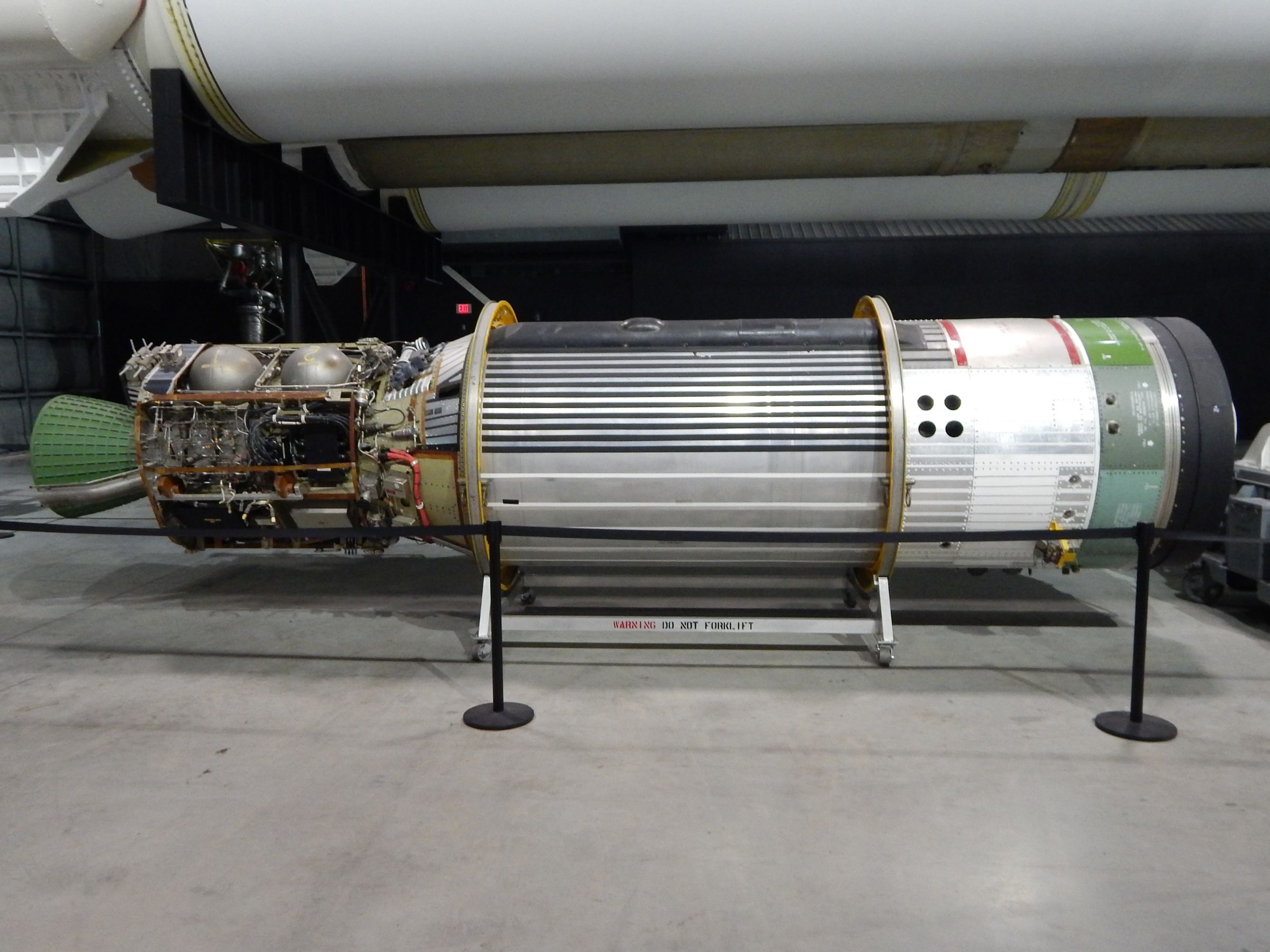
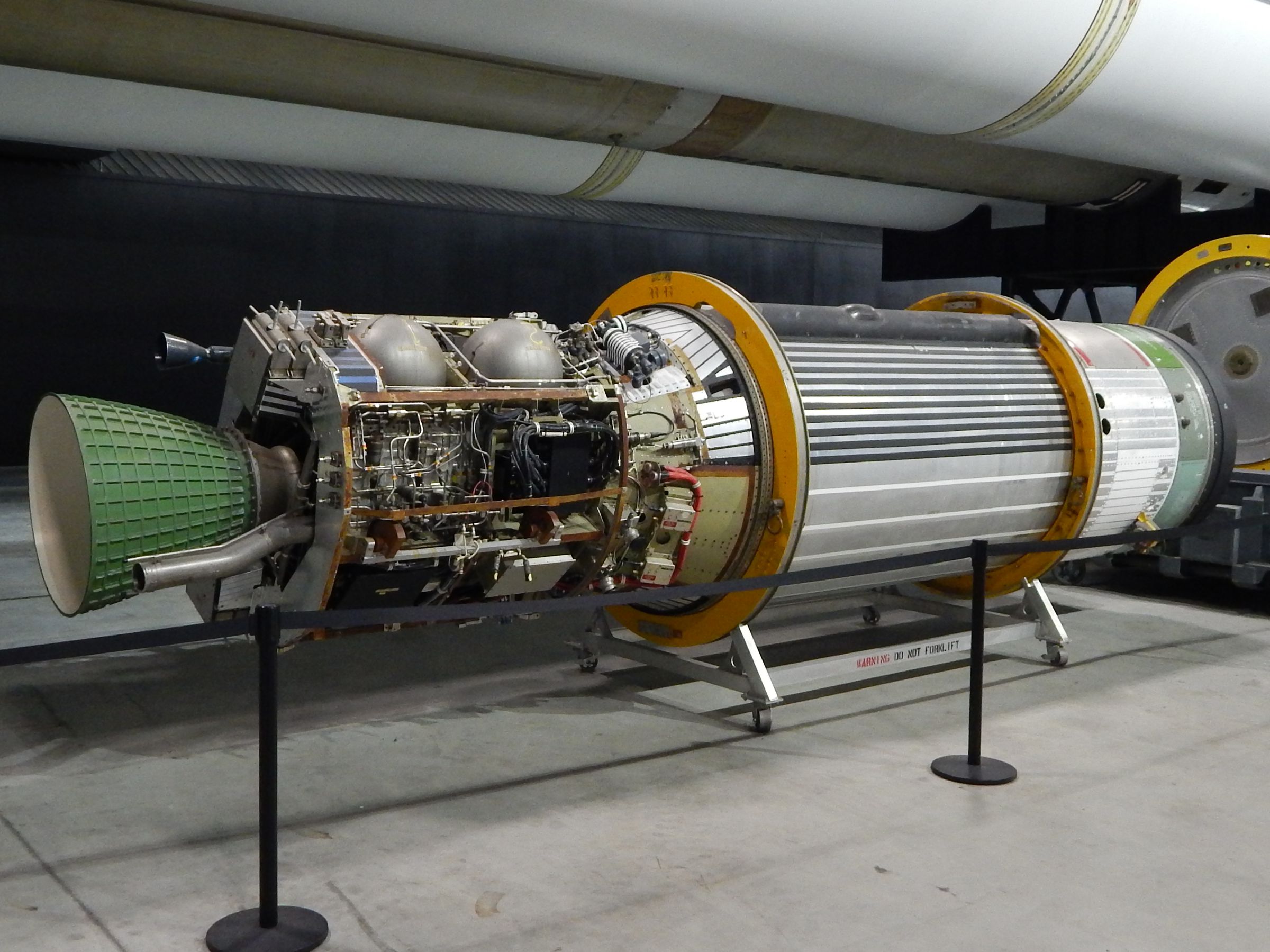
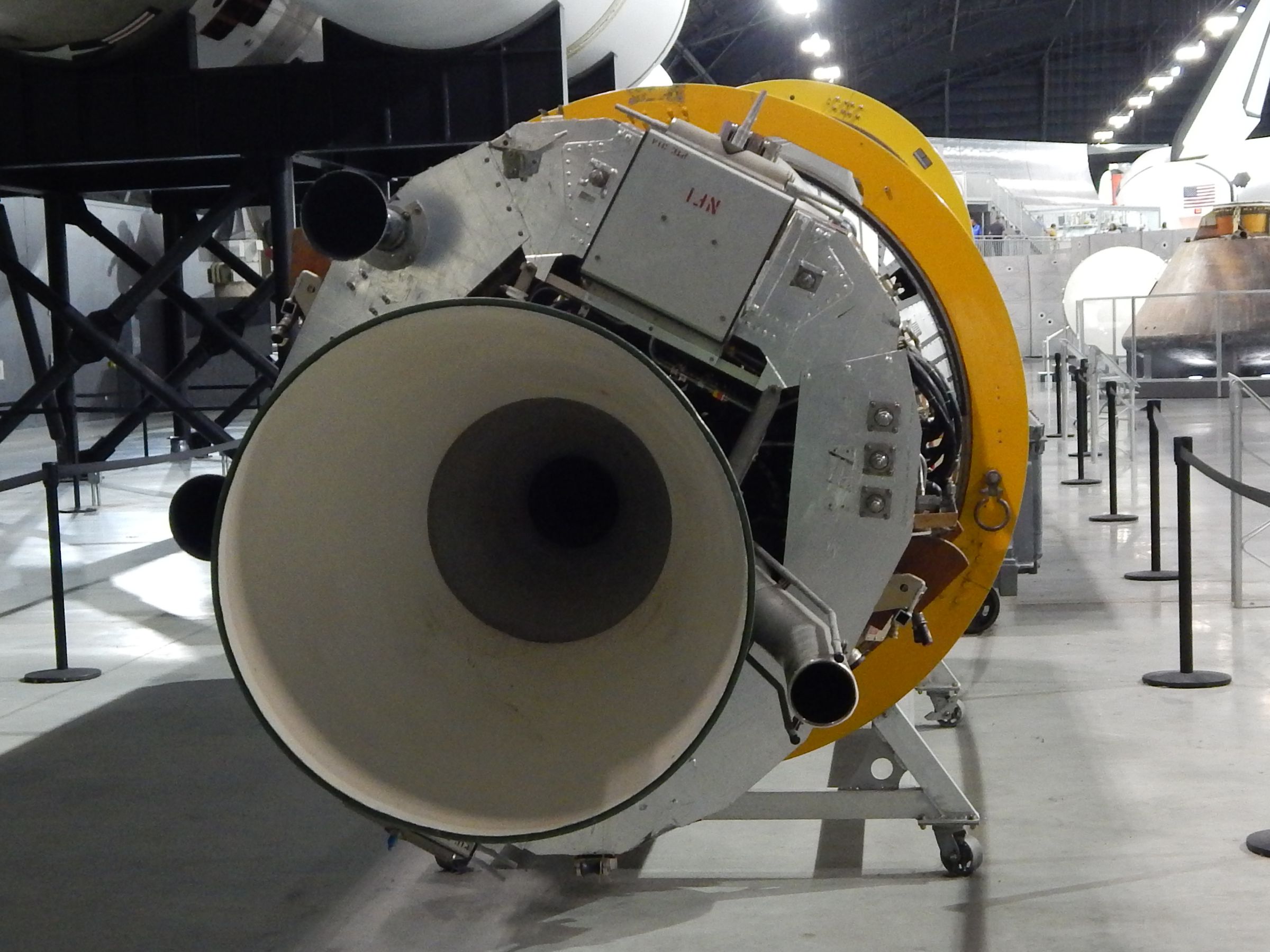
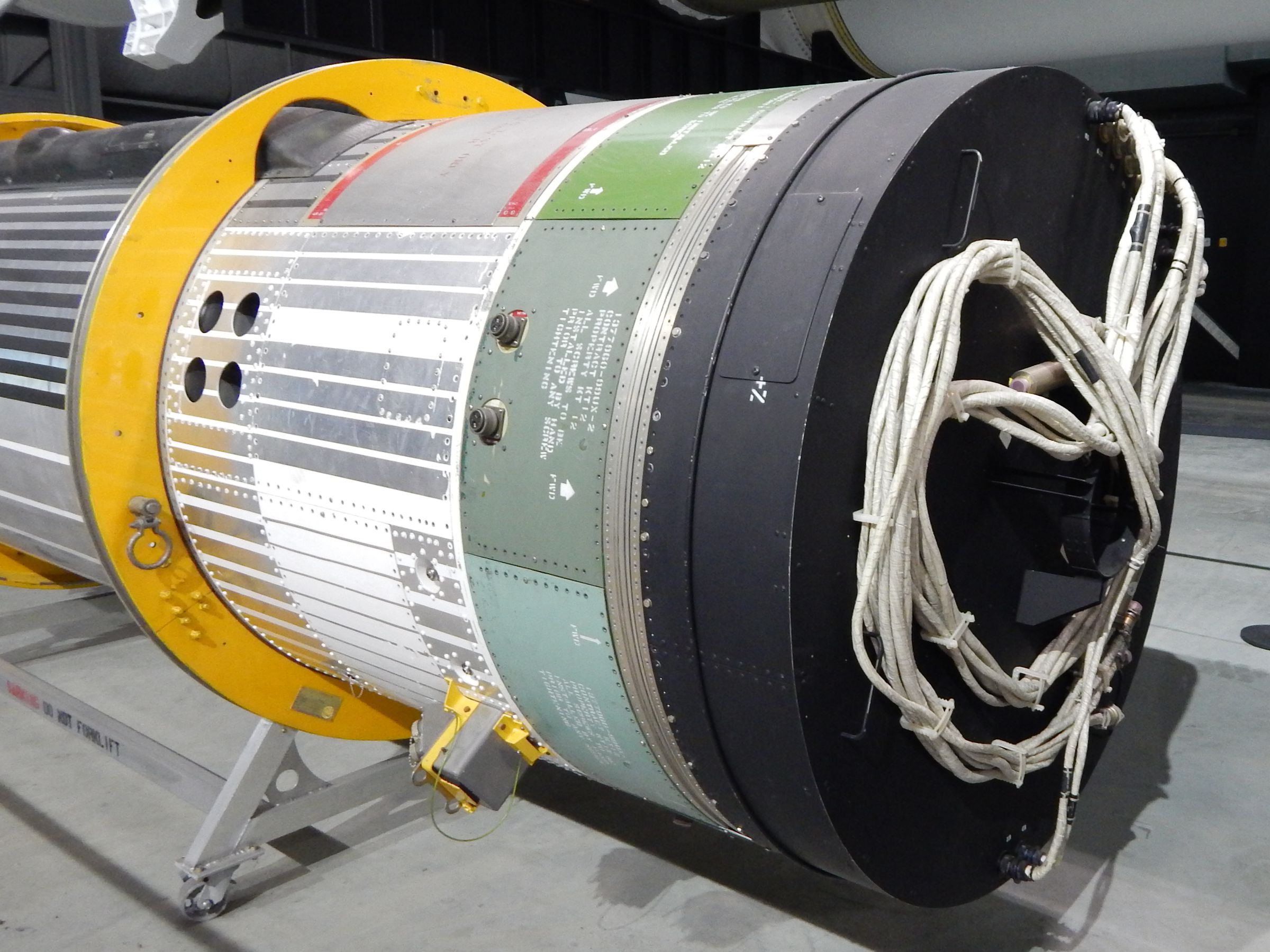
Falcon Heavy
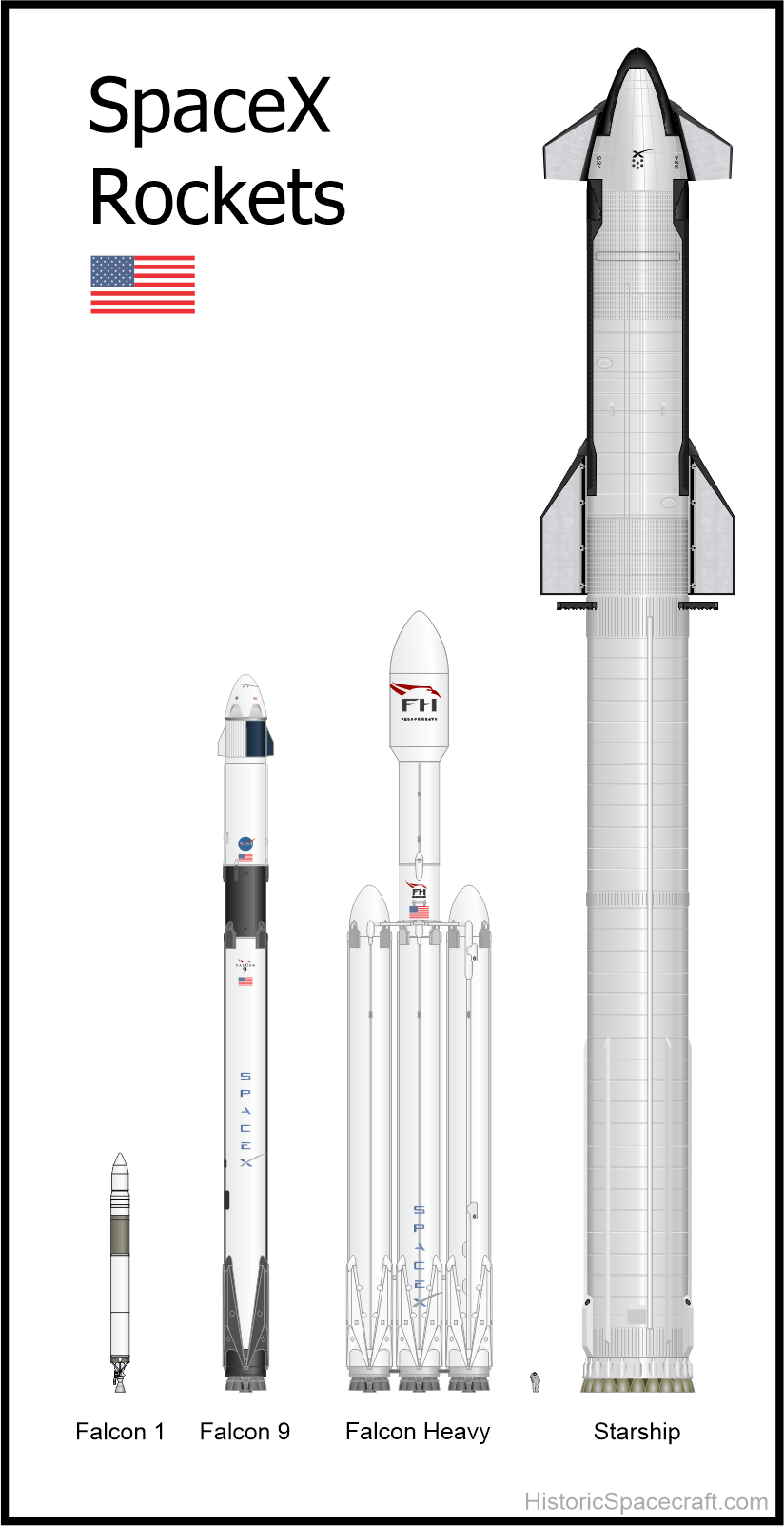
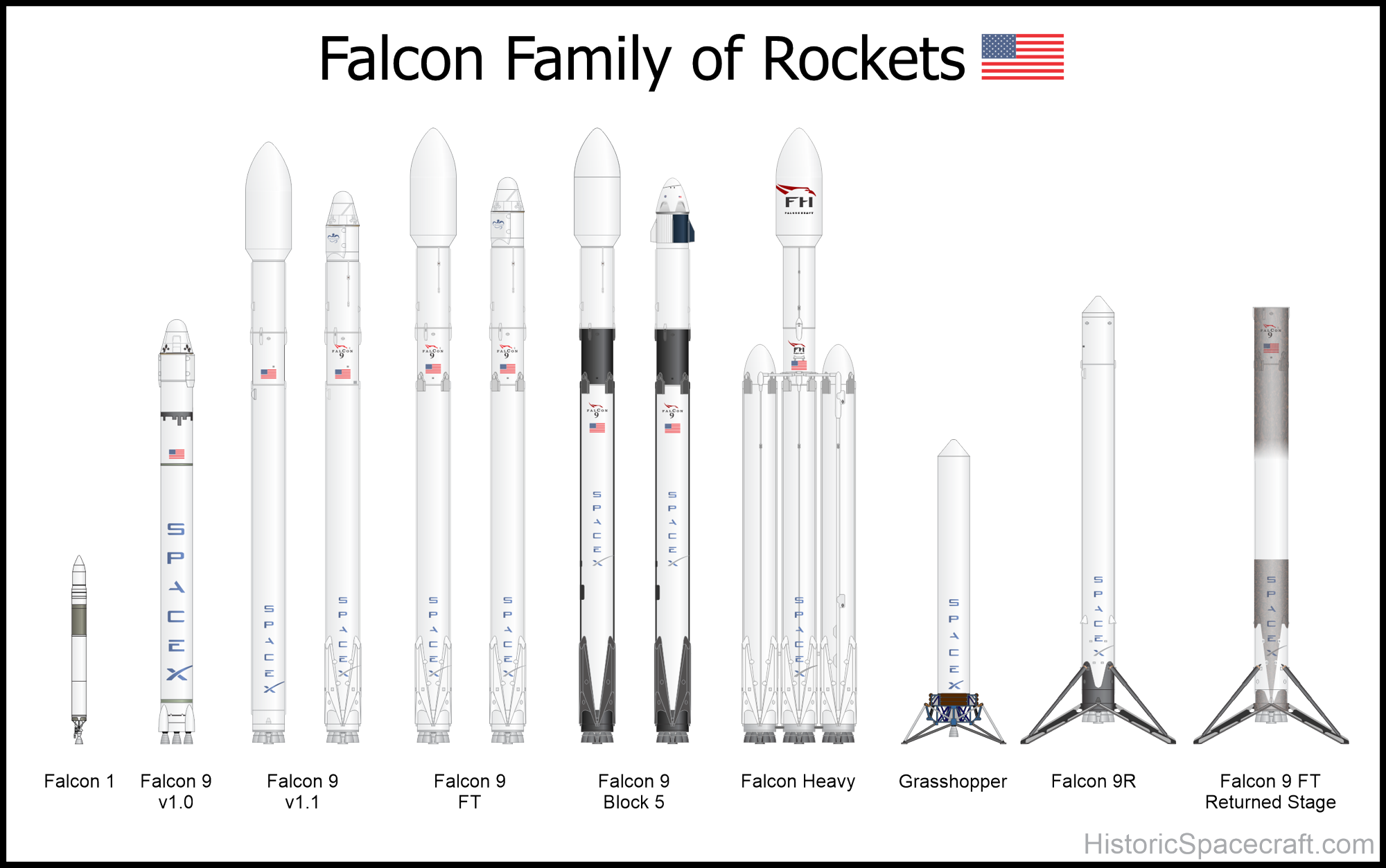
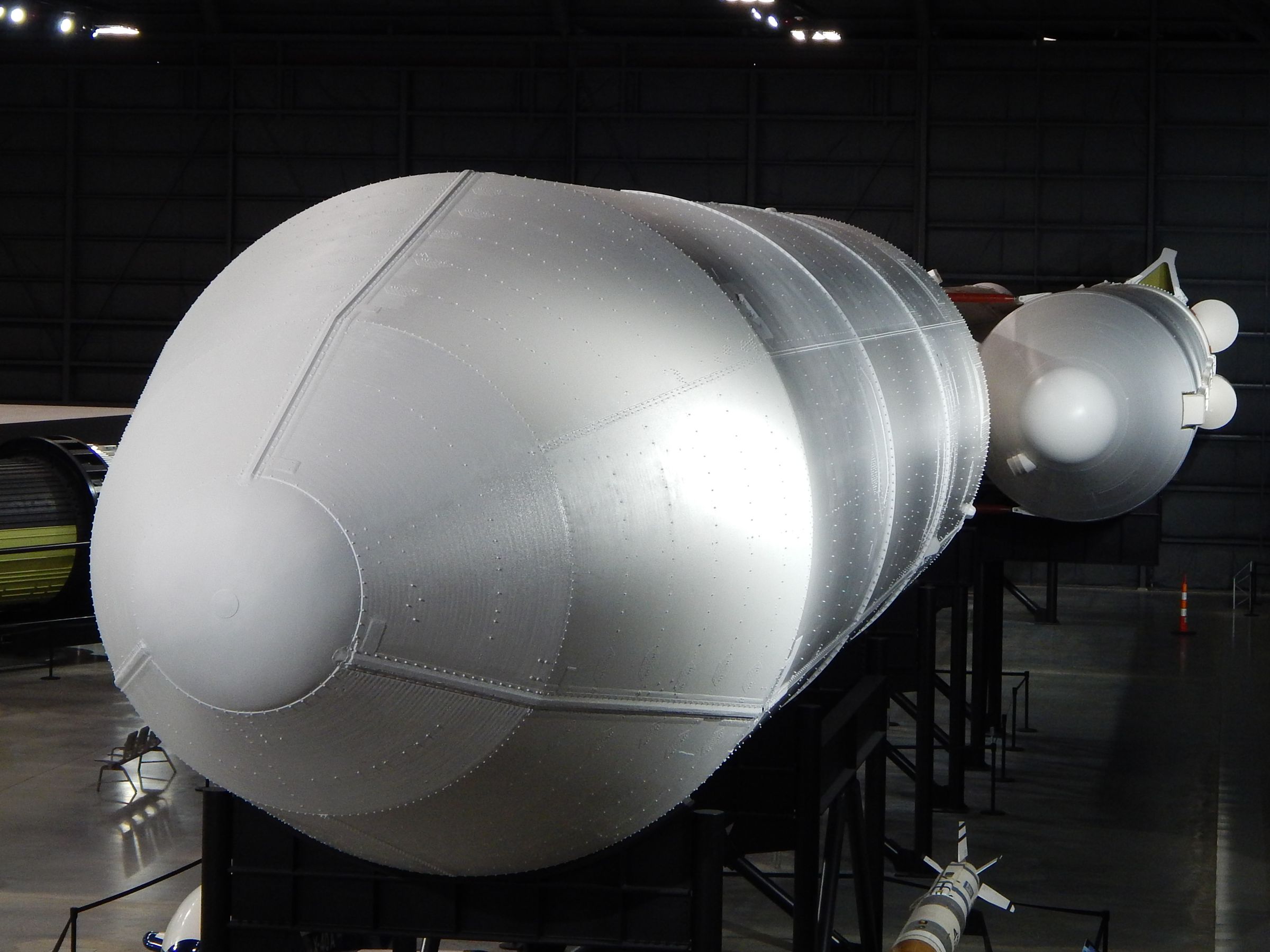
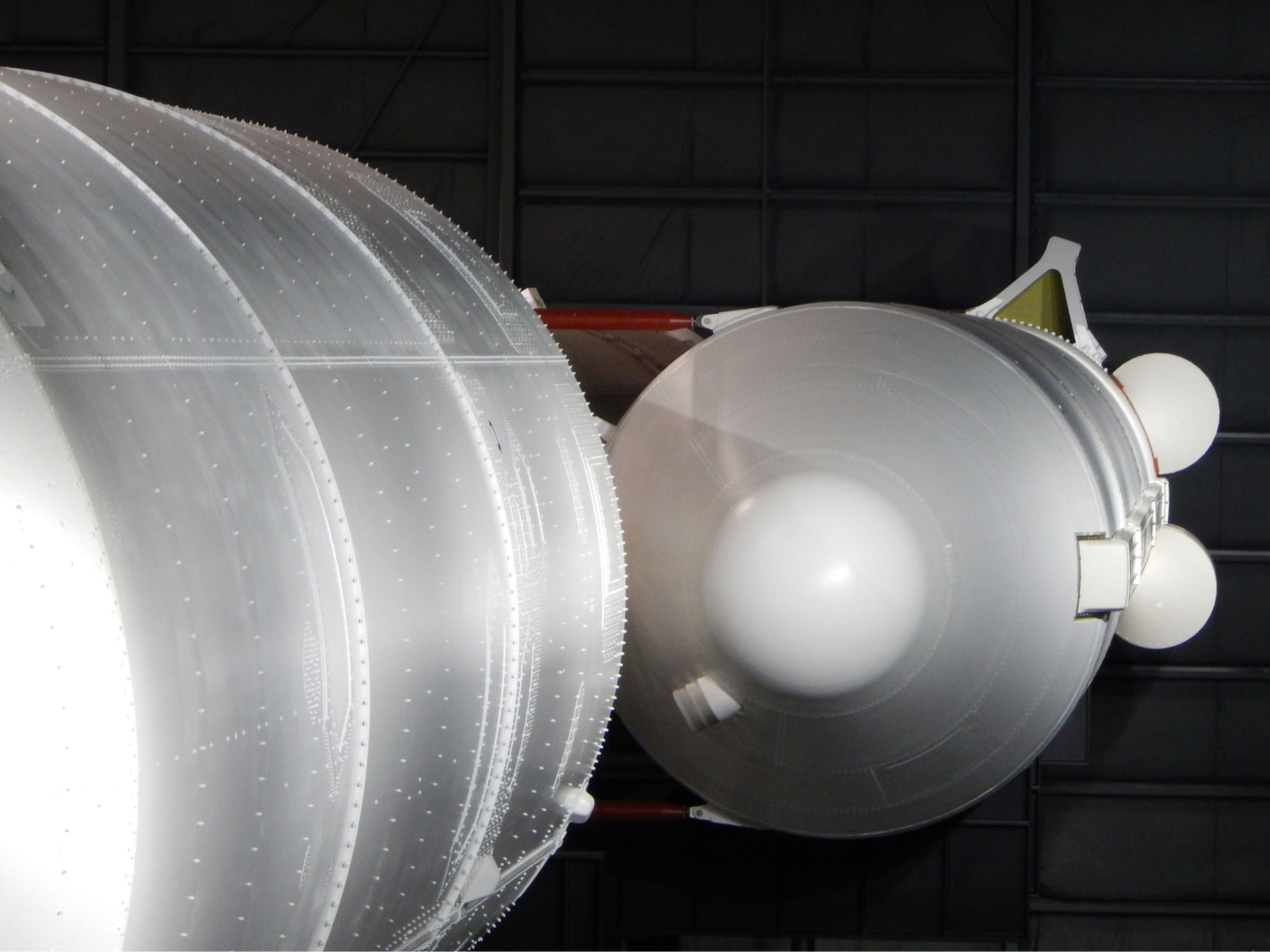
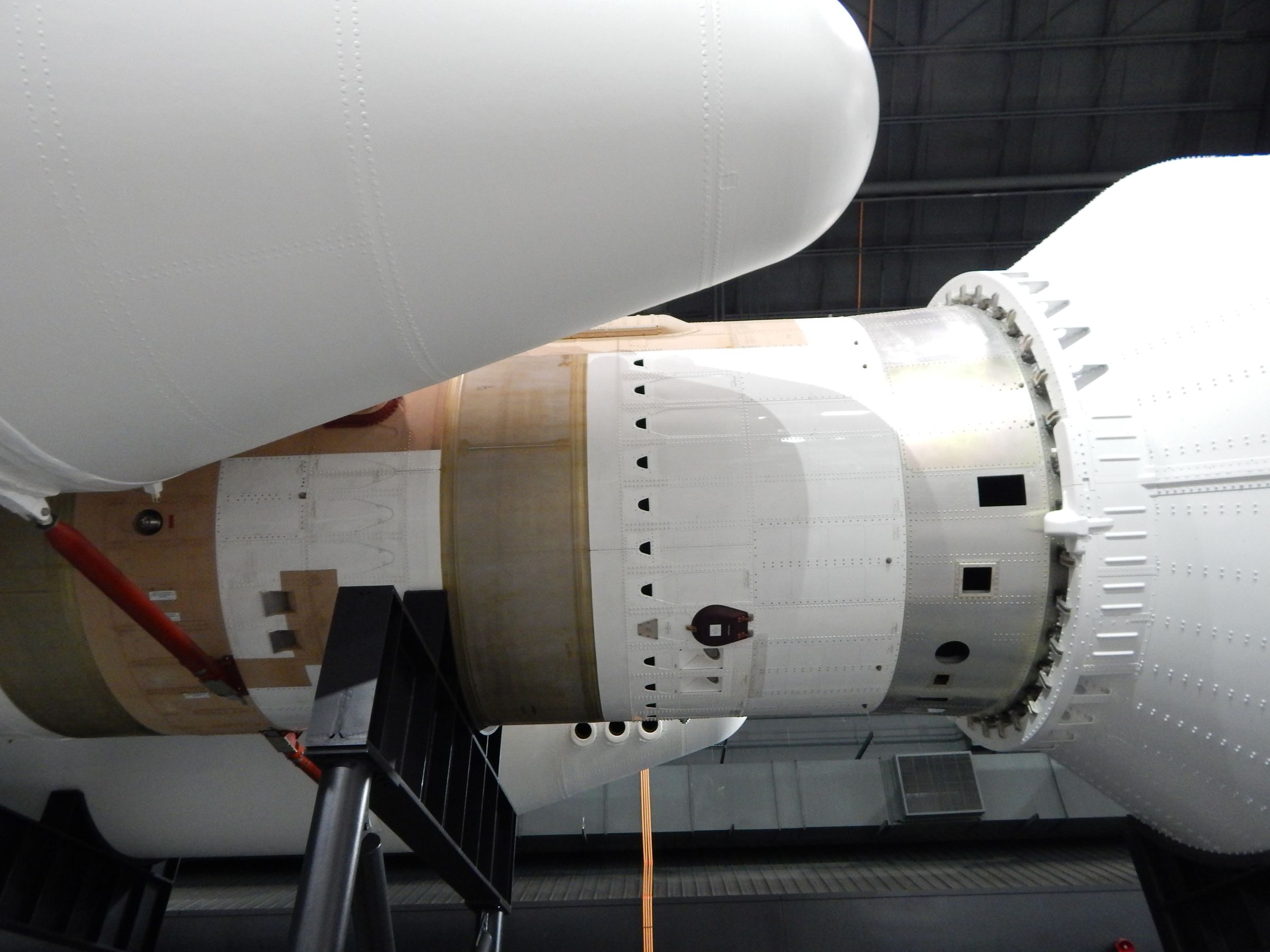
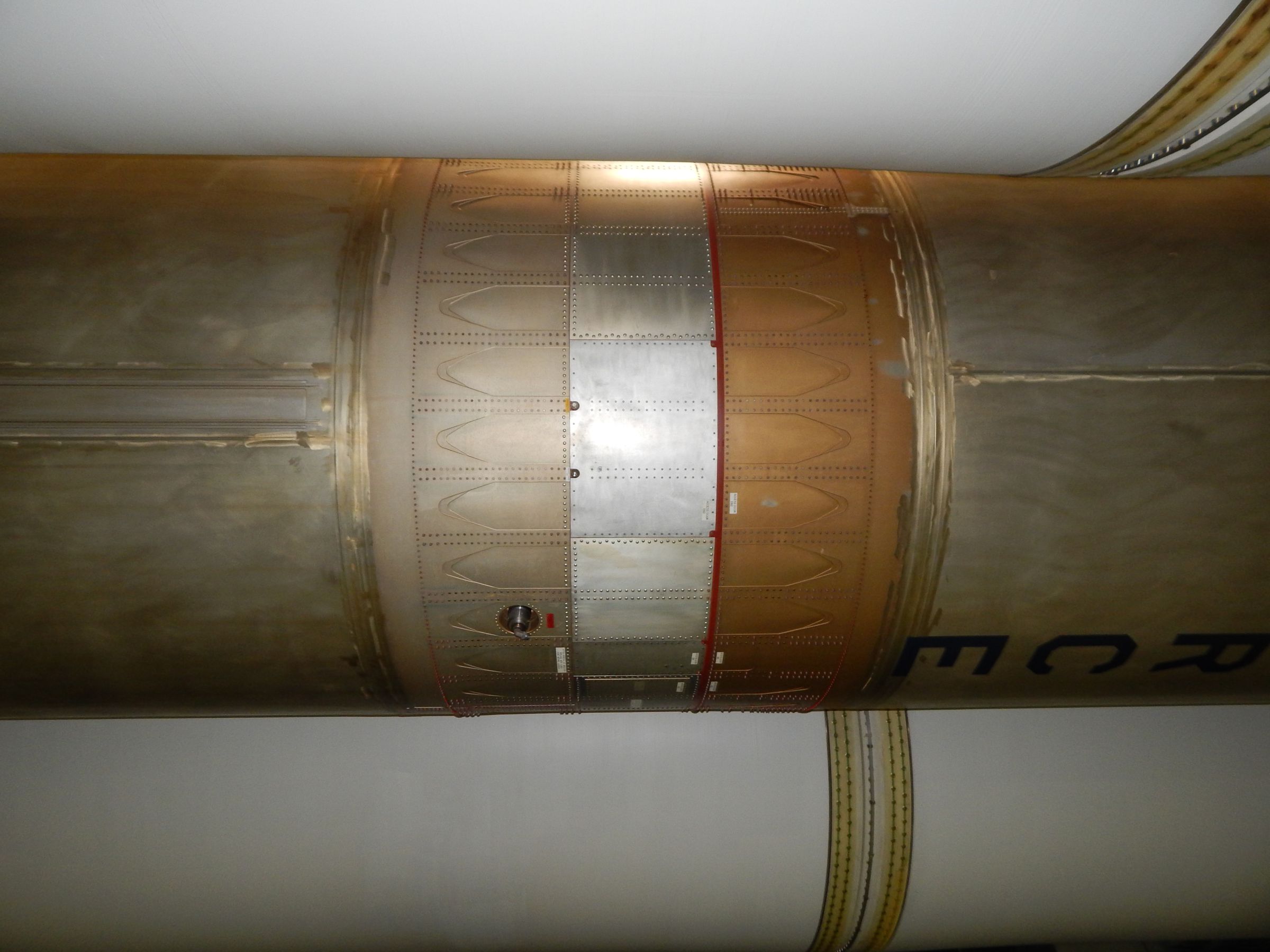
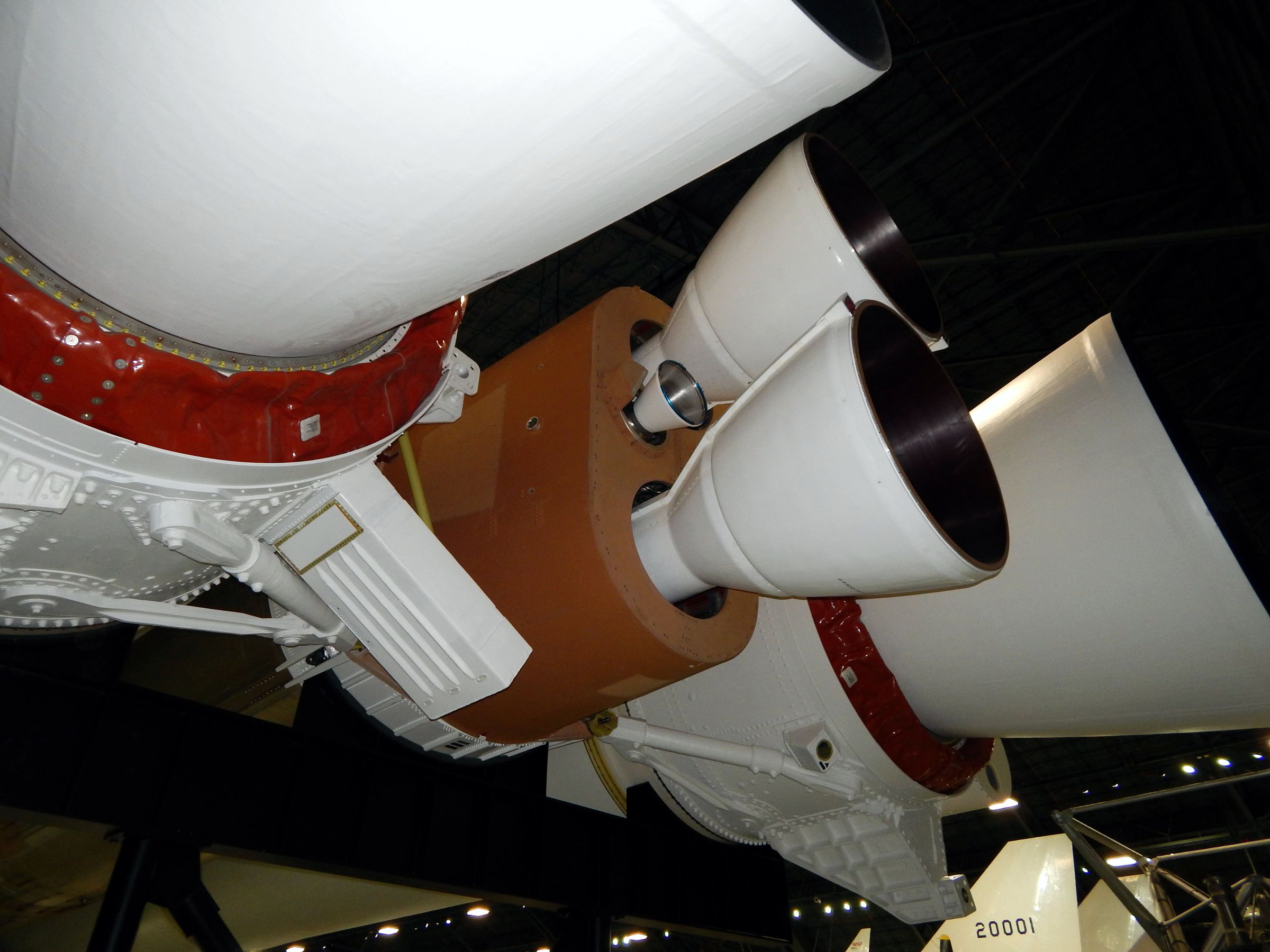
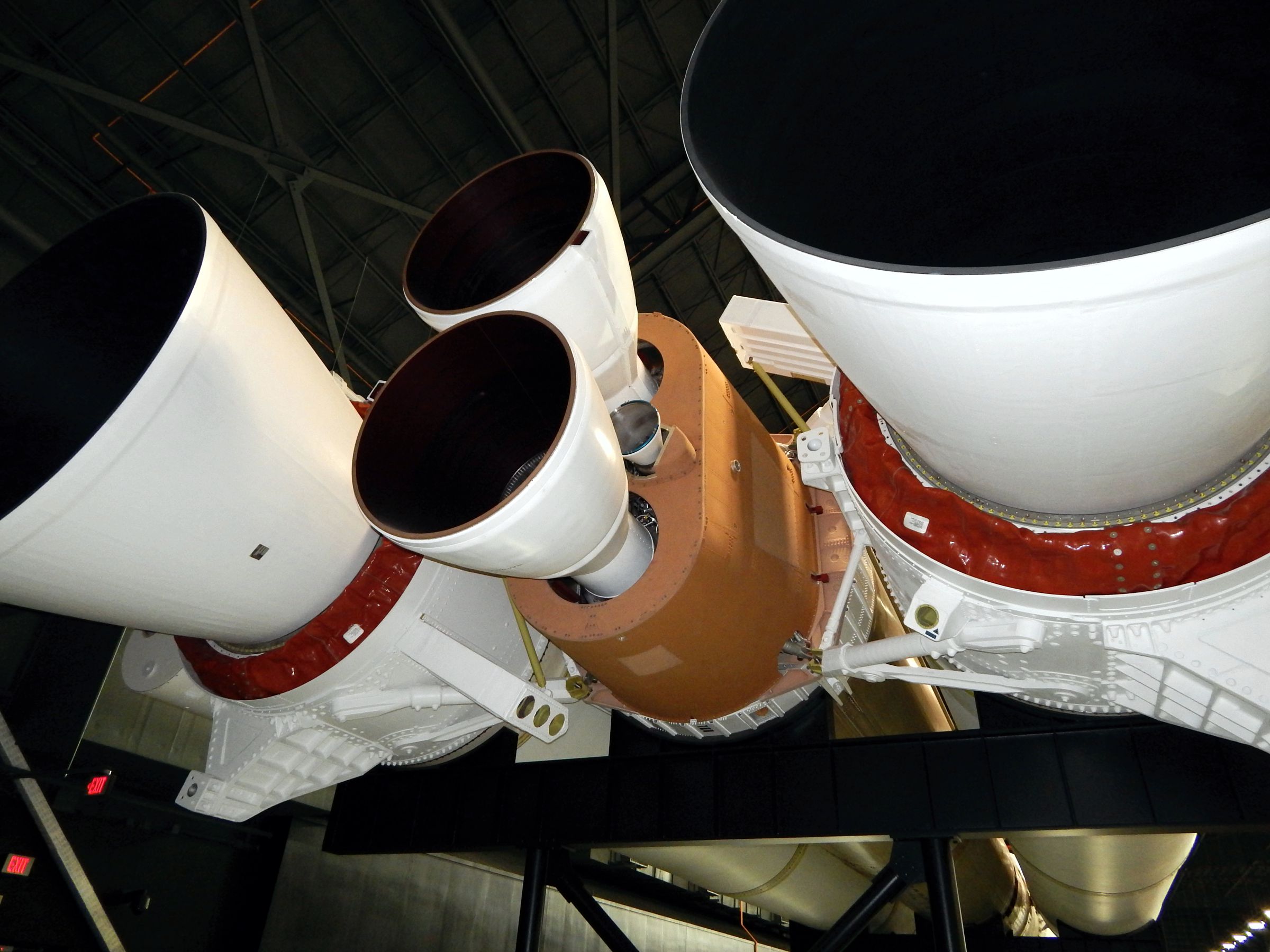
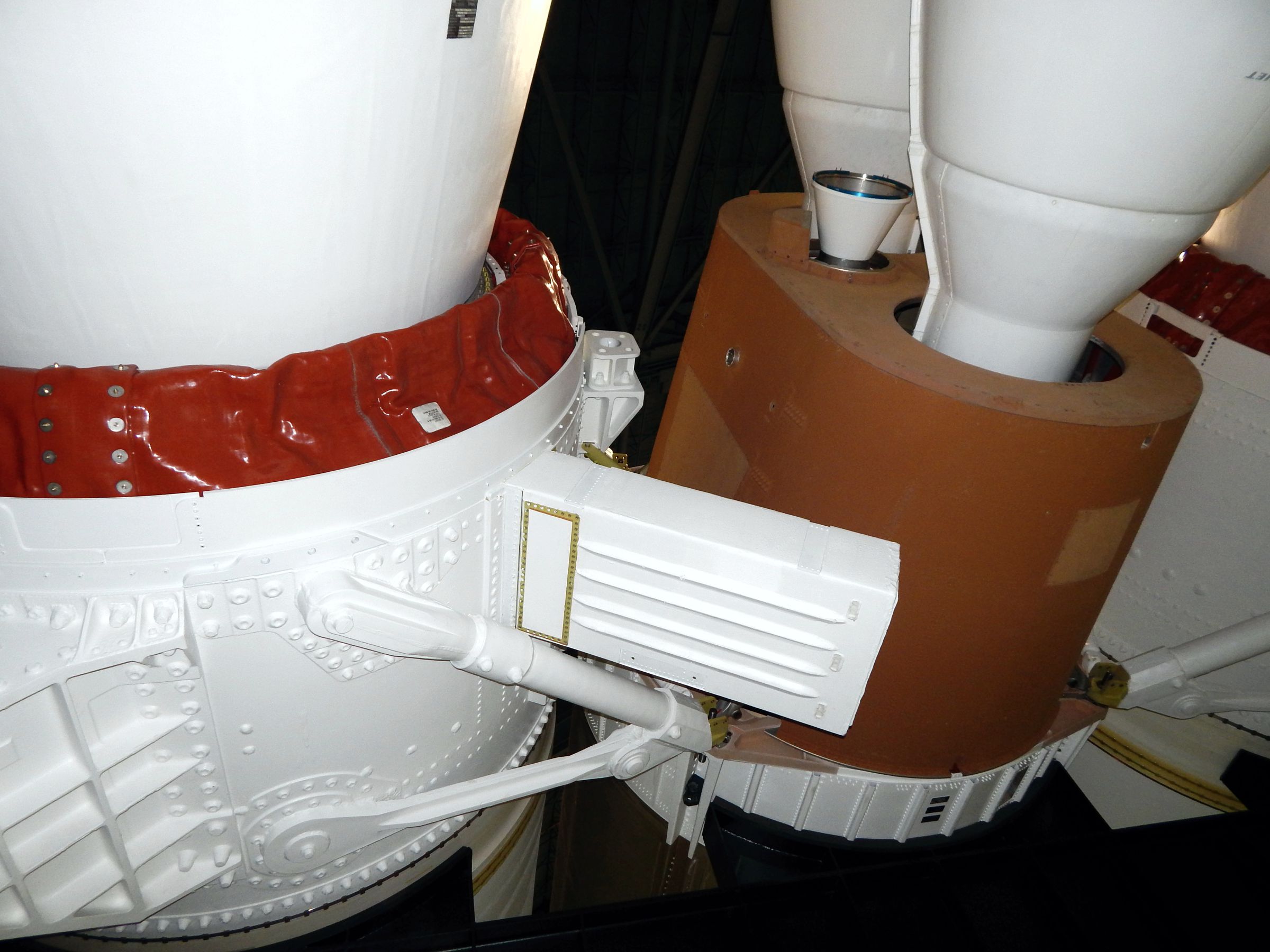
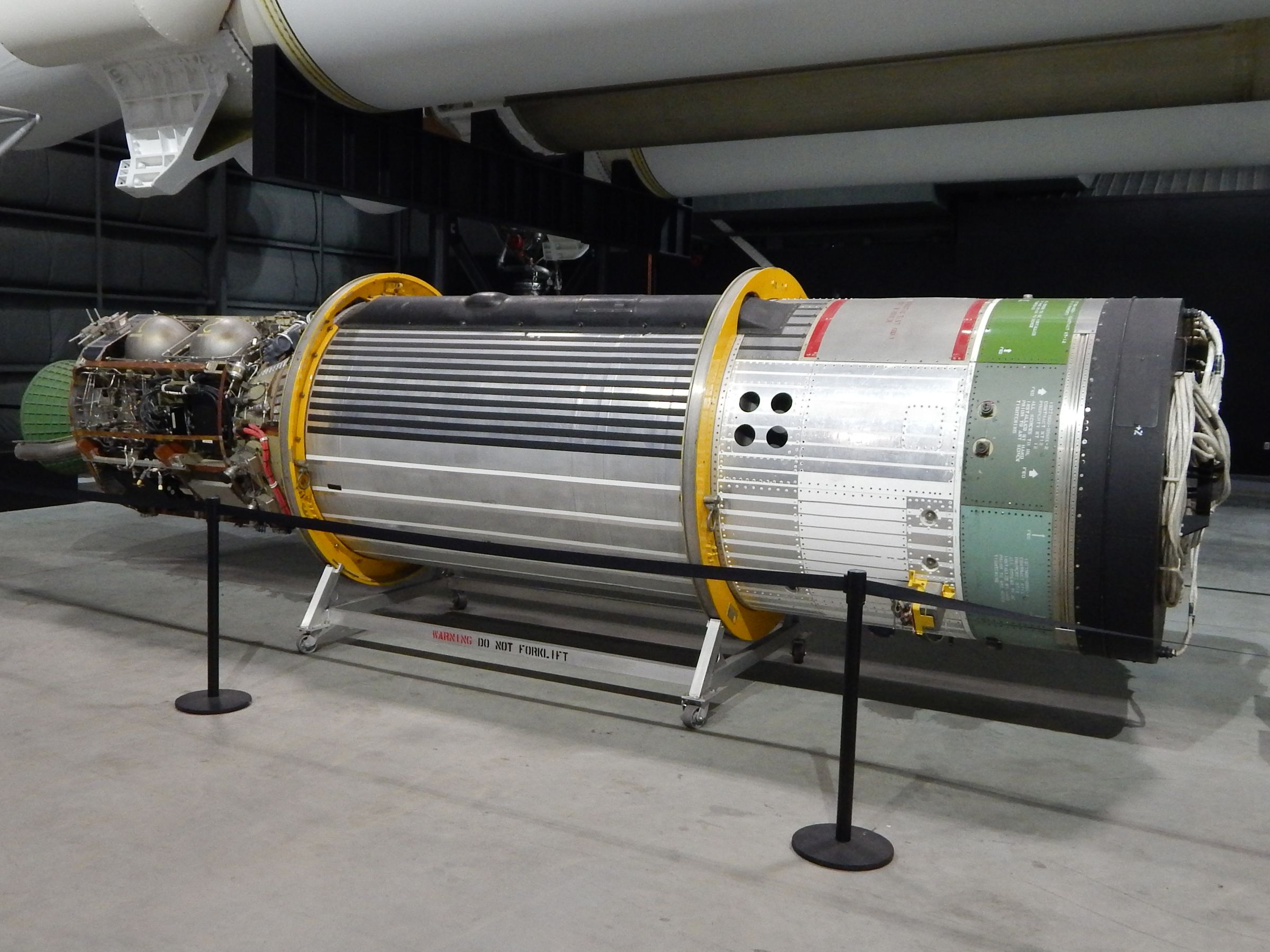
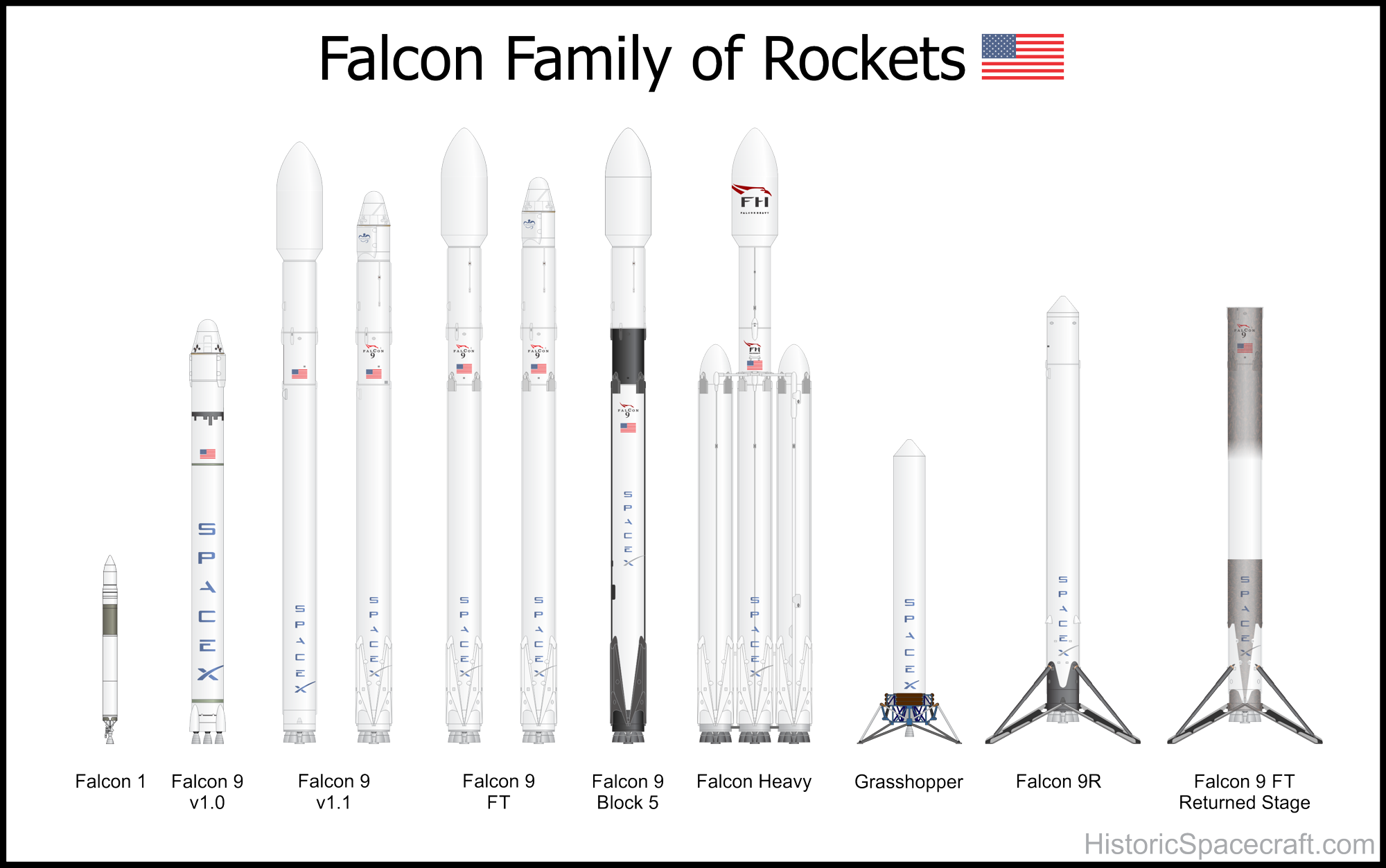
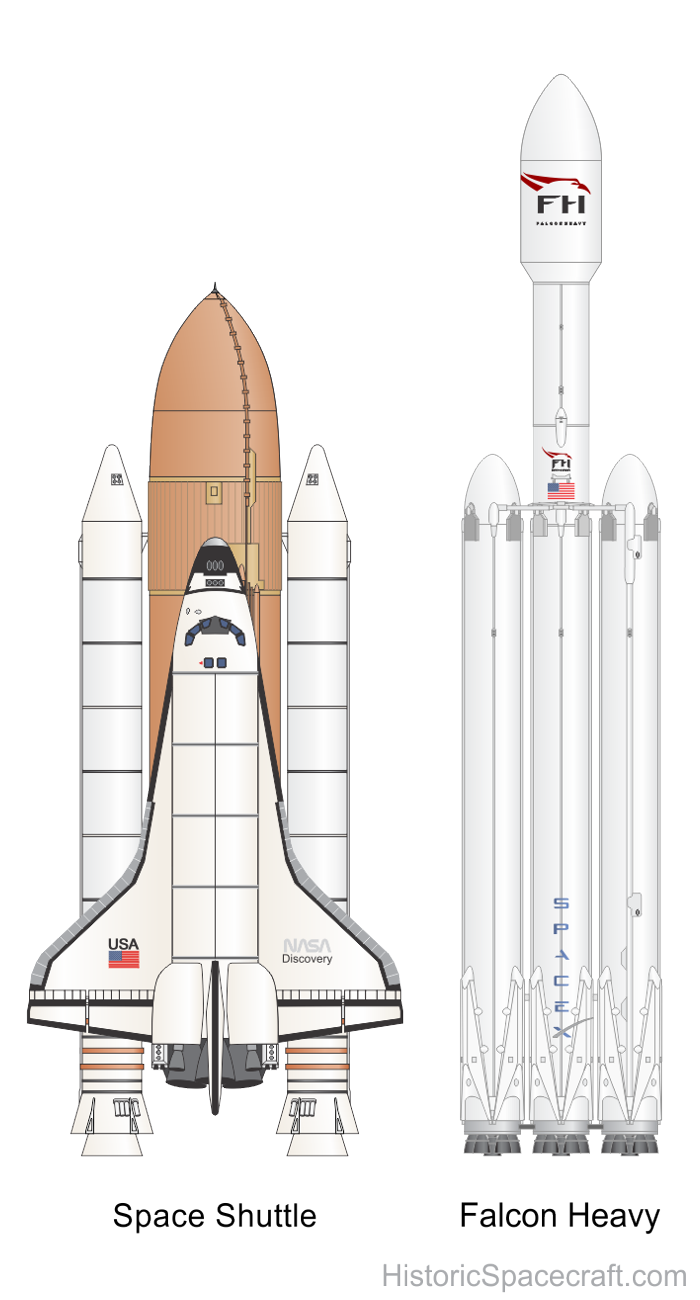
The Falcon Heavy is a heavy-lift launch vehicle based on Falcon 9 technology.
The rocket features a modified Falcon 9 first stage, with two additional stages used as strap-on boosters.
The second stage and fairing is similar to those used on the existing Falcon 9.
For most payloads, the three booster stages will be recoverable.
First Test Flight
The first Falcon Heavy test flight was flown on 6 Feb 2018.
The successful mission was launched from pad 39A at Kennedy Space Center and placed the payload,
a Tesla roadster, into a heliocentric orbit with an aphelion beyond the orbit of Mars.
Attempts were made to recover all three boosters. Each of the side boosters returned to successful landings at Cape Canaveral.
The planned core stage landing, on a barge at sea, failed.
Both side boosters were making their 2nd flight, each having launched payloads on previous missions.
Future Uses
Future payloads may include large communications satellites, Department of Defense payloads, and interplanetary missions.
Posted 7 February 2018
New Artwork
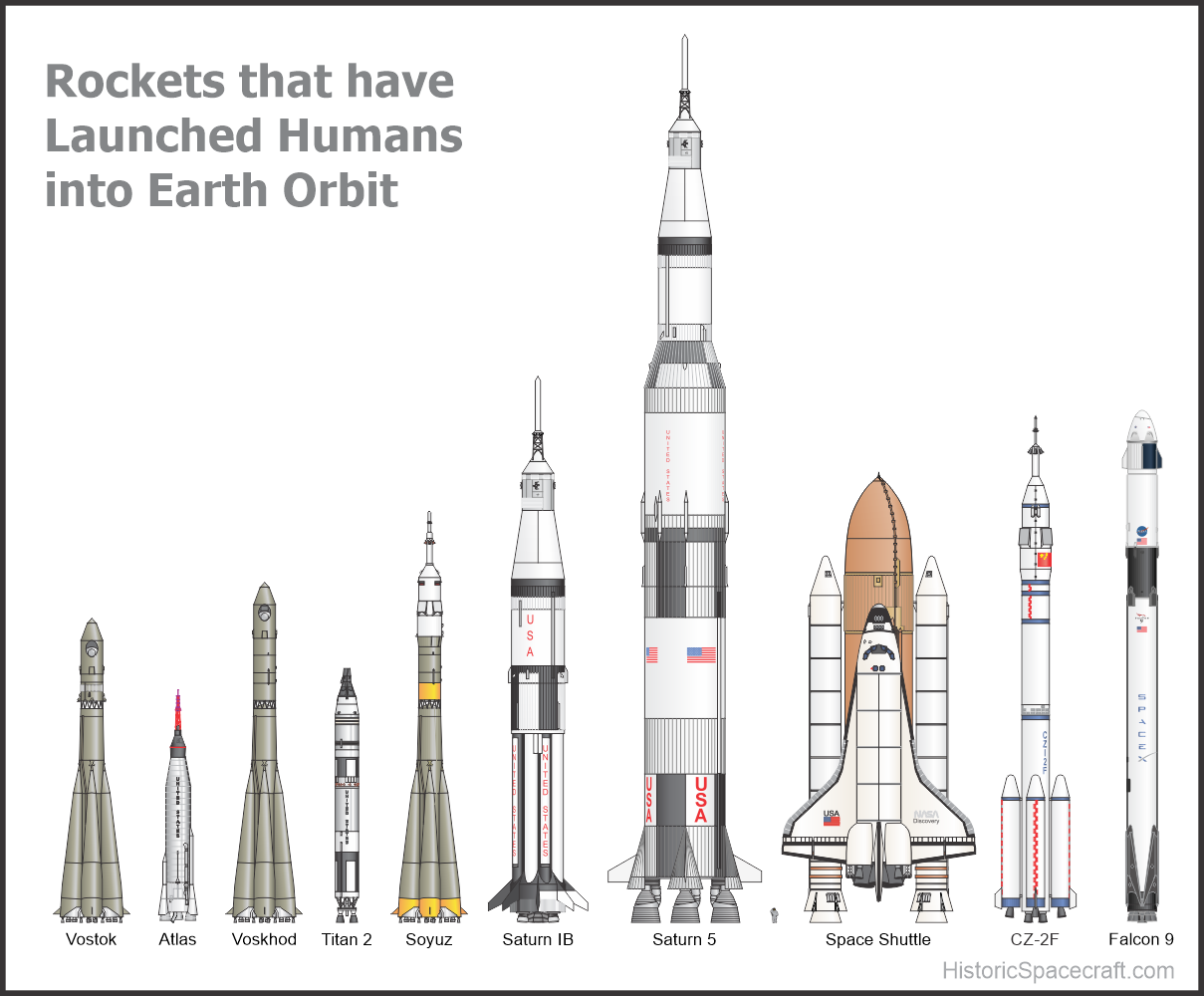
Chinese Space Launcher Graphic Updated
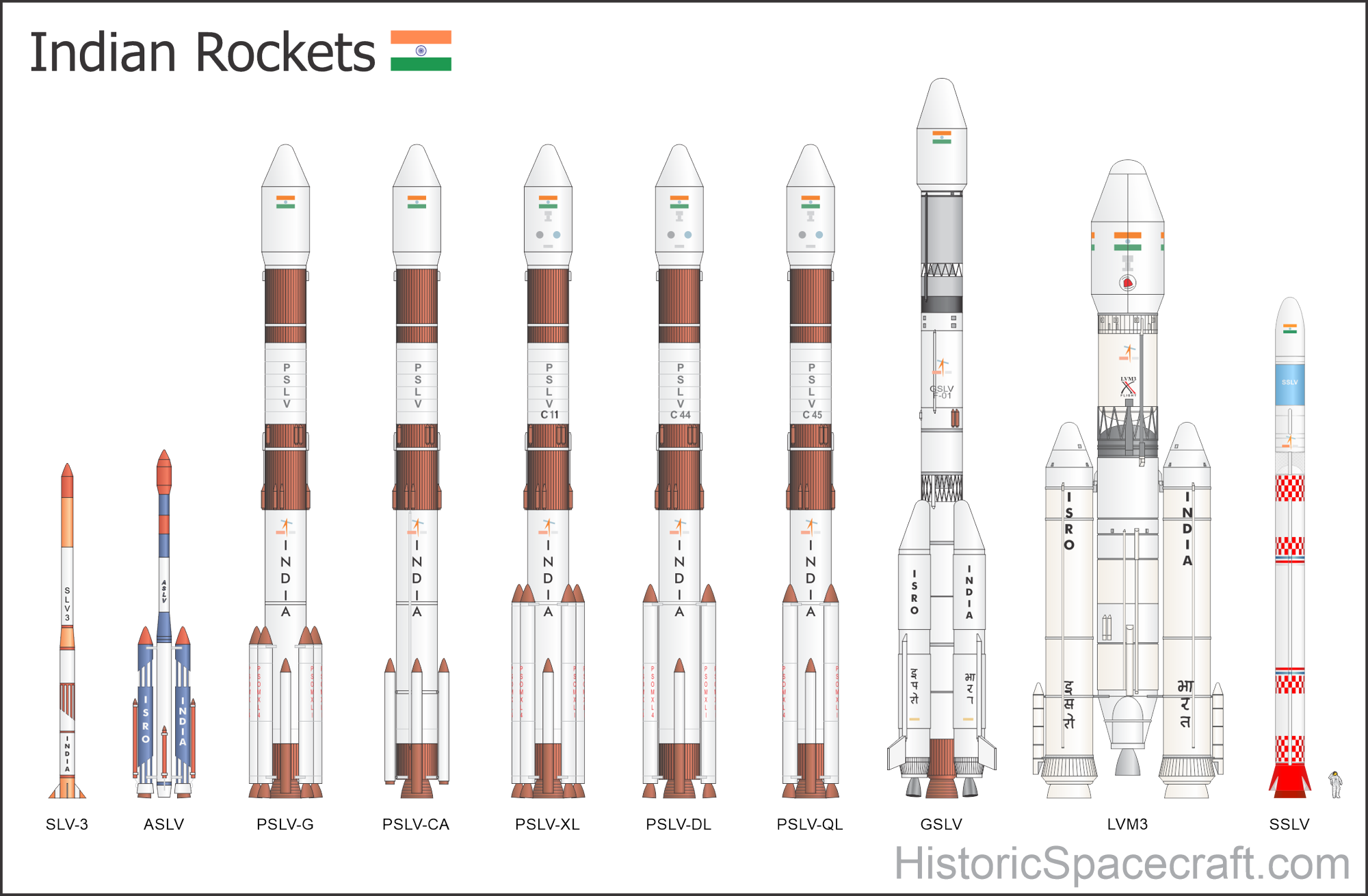
The Chinese rockets graphic has been updated to include the Long March 5 (CZ-5) rocket.
The CZ-5 flew a successful inaugural mission in late 2016.
The second CZ-5 mission, launched in 2017, was a failure.
Mars Missions Graphic Updated
I have updated the "Mars Probes" graphic to include several recent missions, including the
Indian Mars Orbiter Mission, the
European Trace Gas Orbiter, and the Schiaparelli lander missions.
Posted 27 November 2017
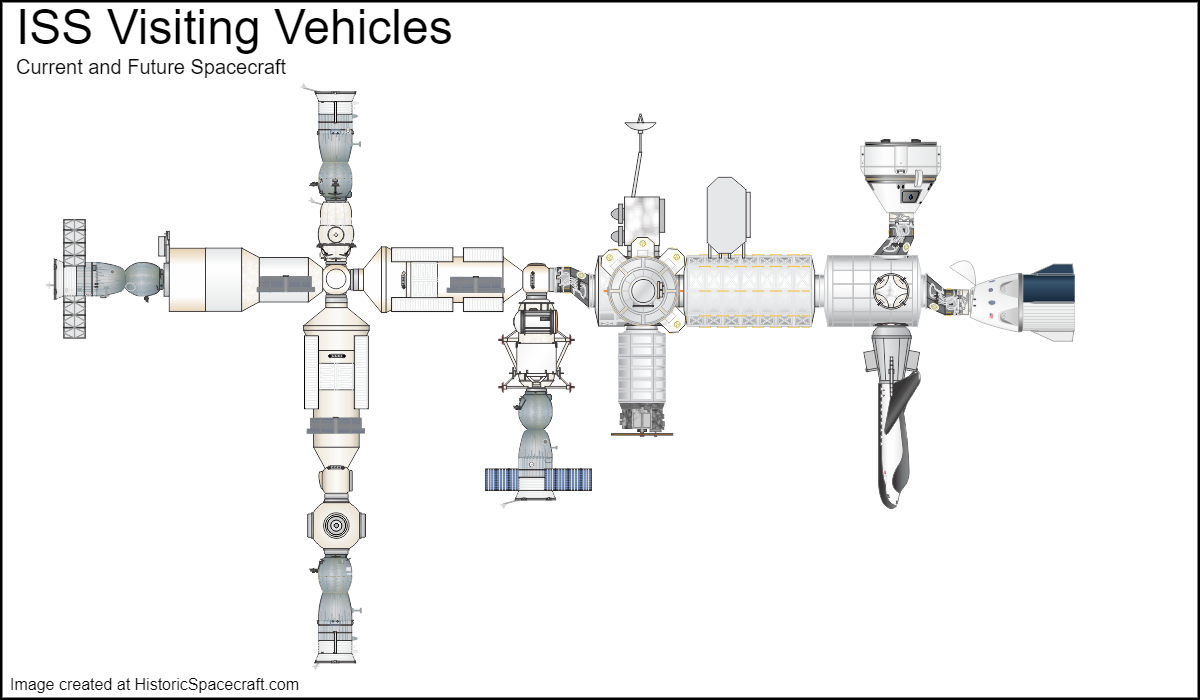
Interactive ISS Visiting Vehicle Illustration Tool
Since starting HistoricSpacecraft.com, I have fulfilled a great many art use requests for space related magazines, websites, and other publications.
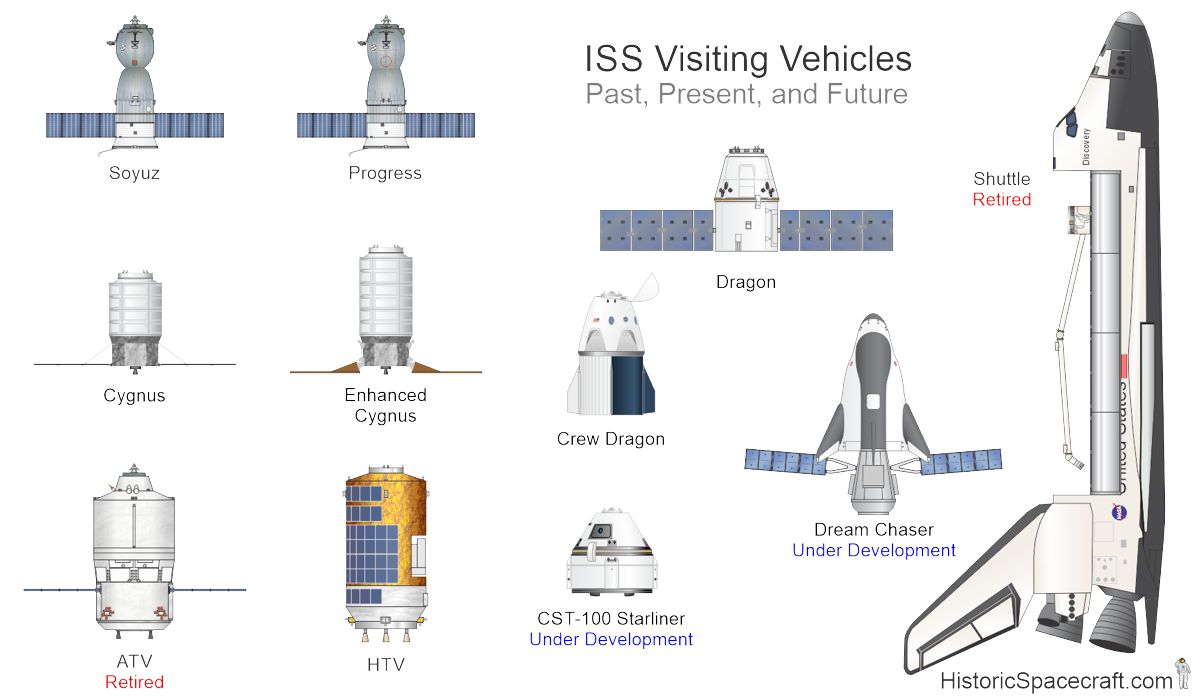
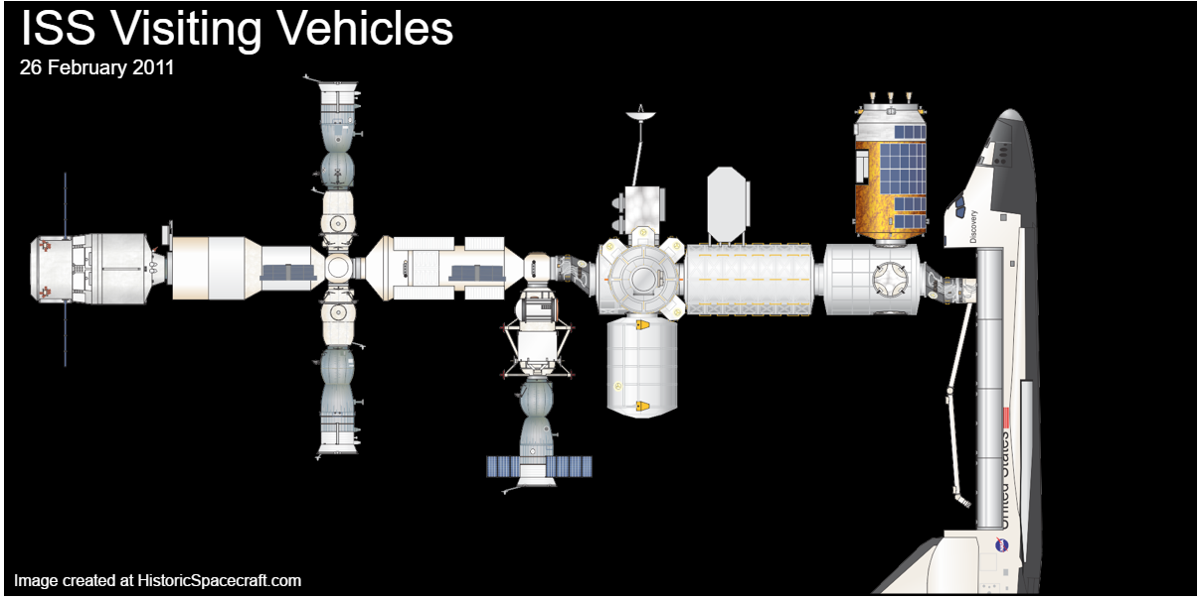
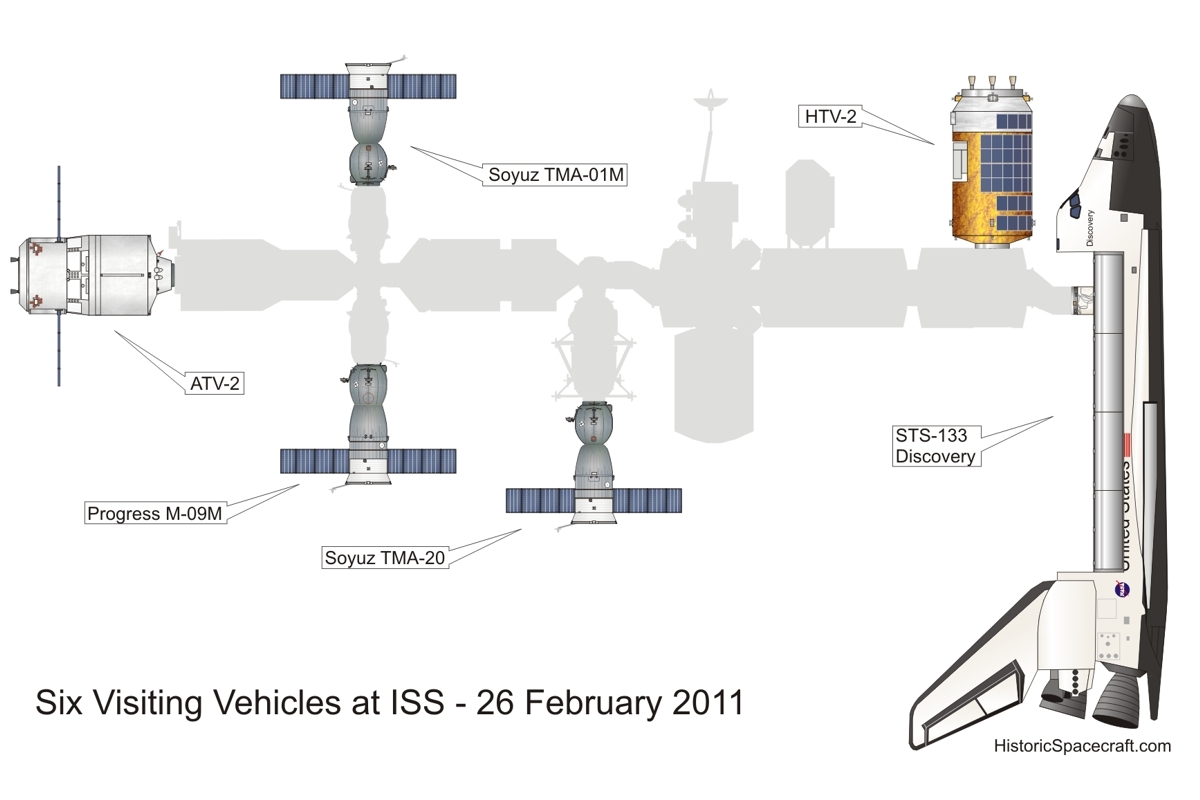
One illustration in particular, a diagram showing six spacecraft docked to the ISS in 2011, has received a lot of interest.
The artwork appeared in several magazines, scientific papers, and museum displays (Including an exhibit at the National Air and Space Museum).
I have also learned that versions of the artwork are being used in documents at NASA.
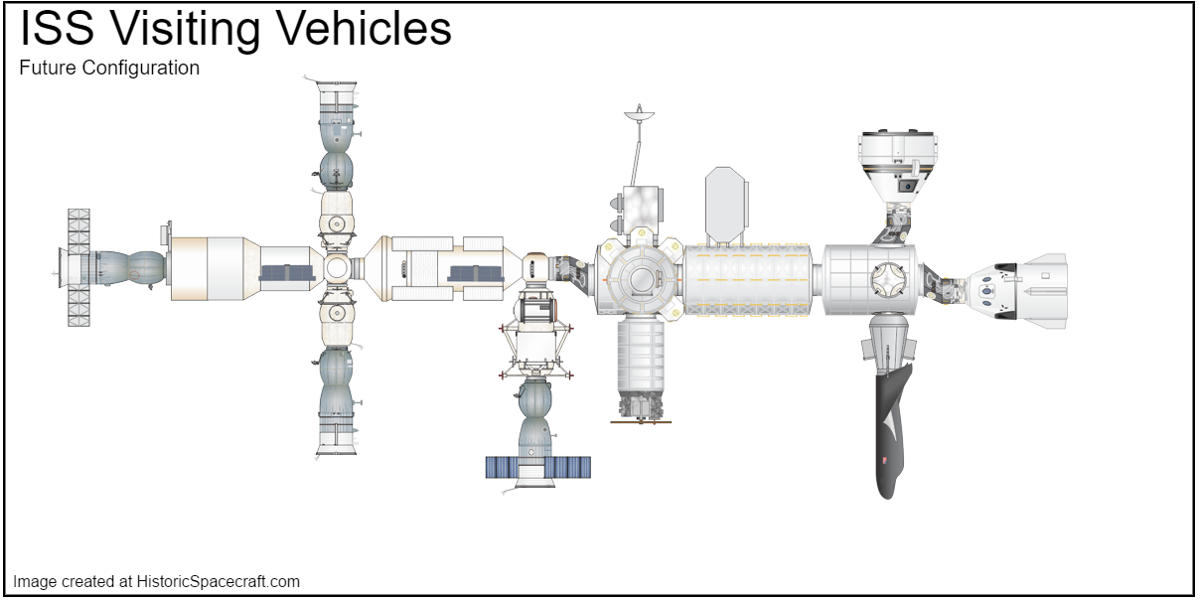
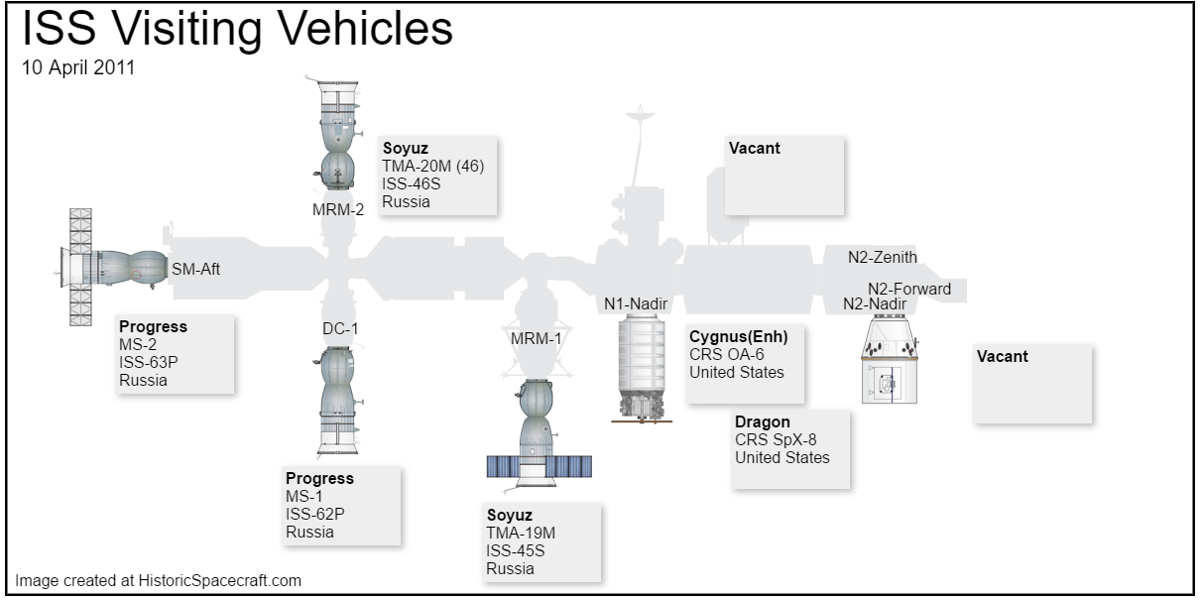
I decided to create a simple web app that allows users to easily create similar diagrams reflecting different arrangements of spacecraft at the space station.
A link to the app is now included in the left-side navigation menu as "ISS Vehicles" under "Interactive Features".
Examples
The following sample illustrations were created using the app.
Posted 5 Sept 2016
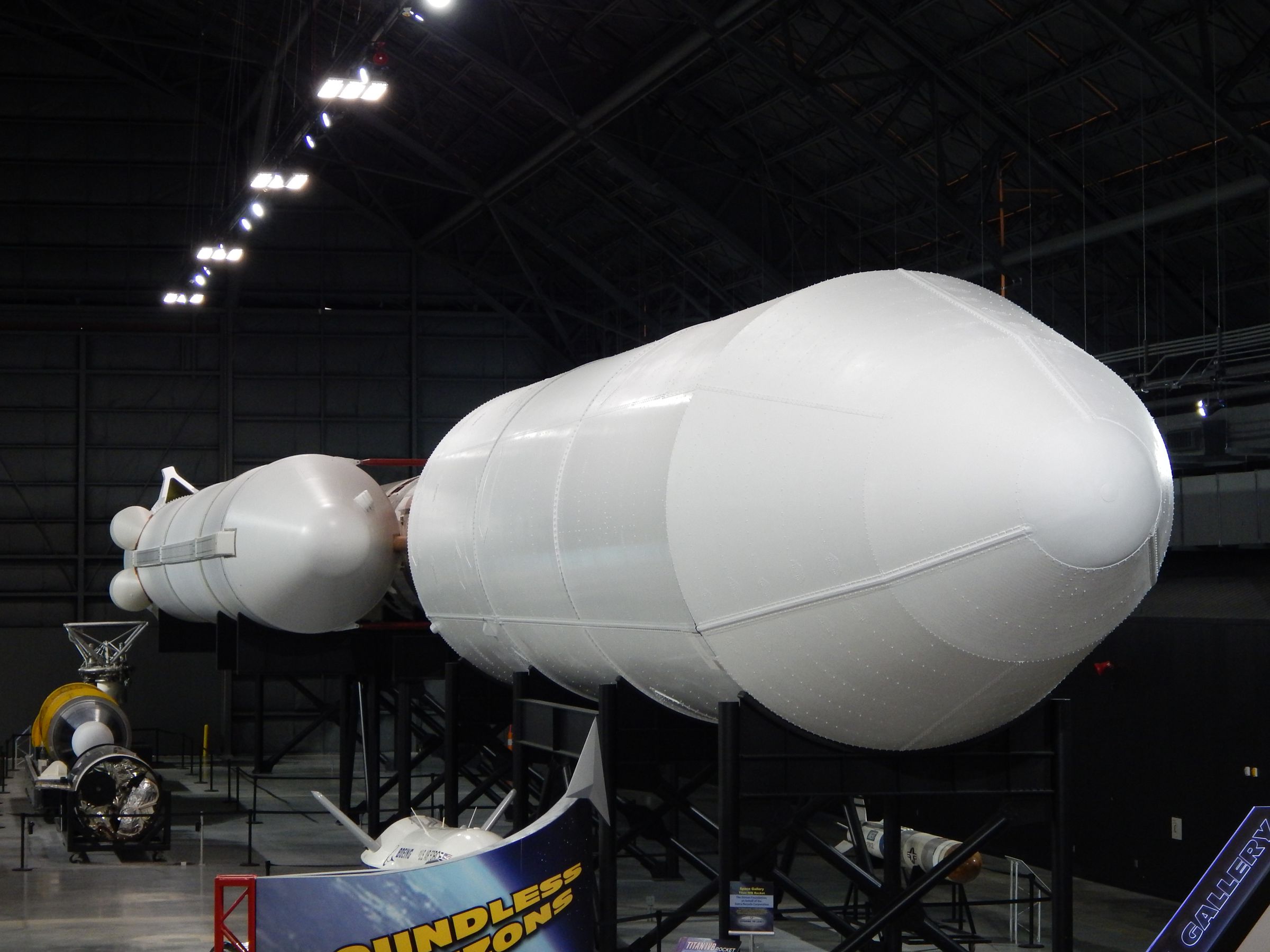
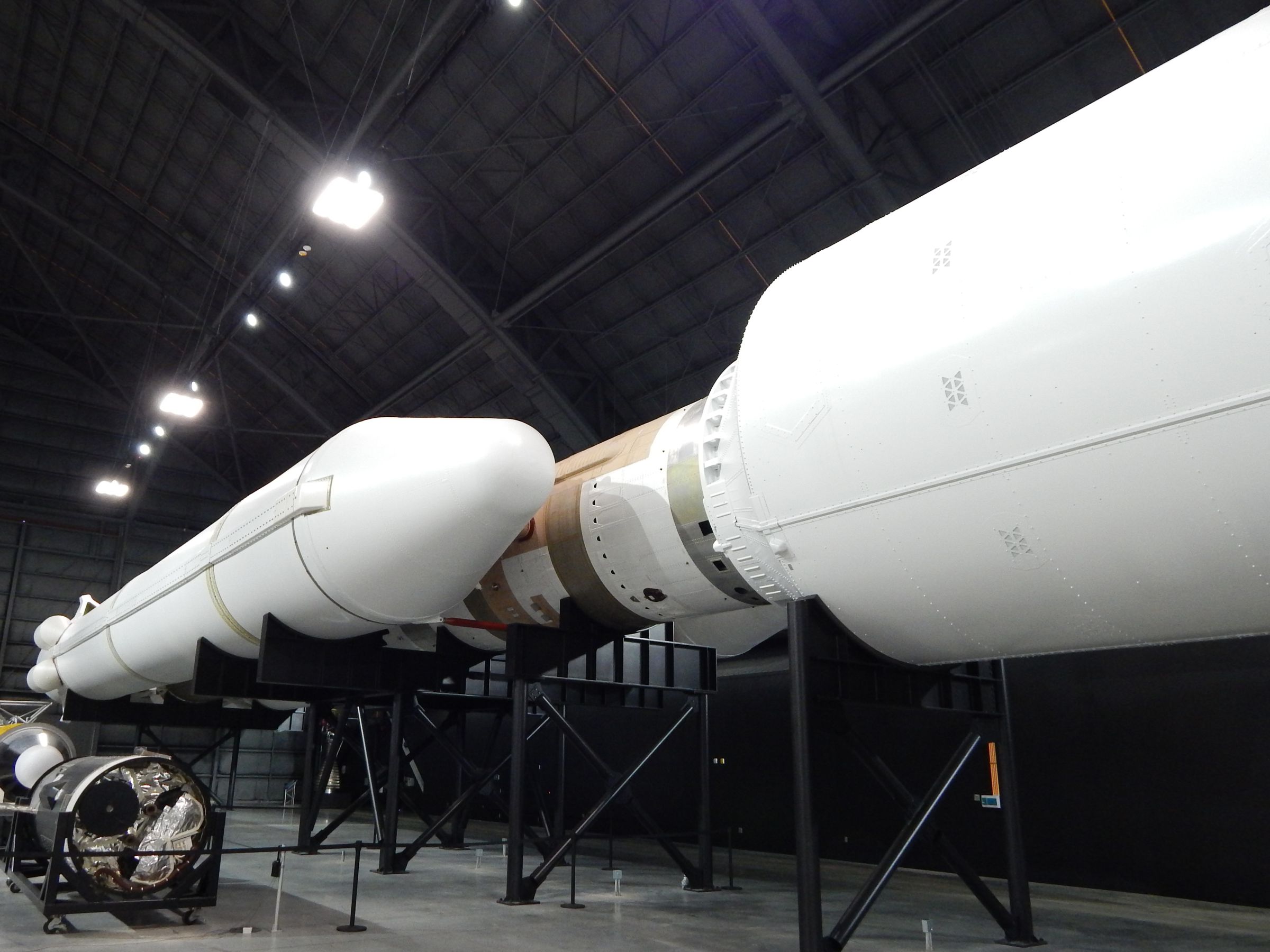
Titan Rocket Posters Available for Sale
I've had many requests over the years to make more of my artwork available for purchase in poster format.
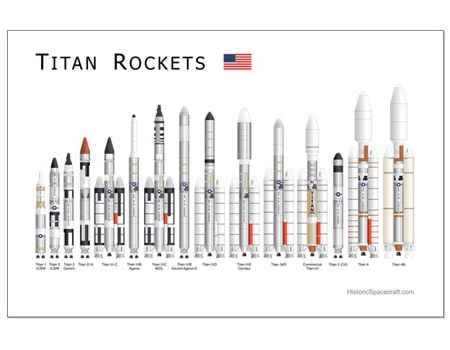
I recently added a Titan rockets poster to the
Historic Spacecraft Store at CafePress.
The poster includes 15 Titan missiles and space launchers and is available in three styles, a
poster, a
framed print, and a
banner.


Posted 12 Aug 2016
About Historic Spacecraft
I started Historic Spacecraft in 2006. The initial goal was to host several hundred photos of space hardware from my collection.
I later started to create illustrations for many spacecraft and rockets.
Hopefully, this website will provide a valuable resource to space modelers and space exploration historians.
Historic Spacecraft currently has around 7,500 visitors per month.
As of January 2014, the website includes over 1500 photographs and over 500 original illustrations.
I have an online store at CafePress.
Sales from the products help support this website.
If you think this website is worthwhile, consider making a small contribution via Paypal.
All help is greatly appreciated!
Richard Kruse
Webmaster, HistoricSpacecraft.com
© Richard Kruse, 2006 - 2023 except where otherwise noted.
This document last modified Saturday, 03-Jun-2023 17:25:35 EDT.